
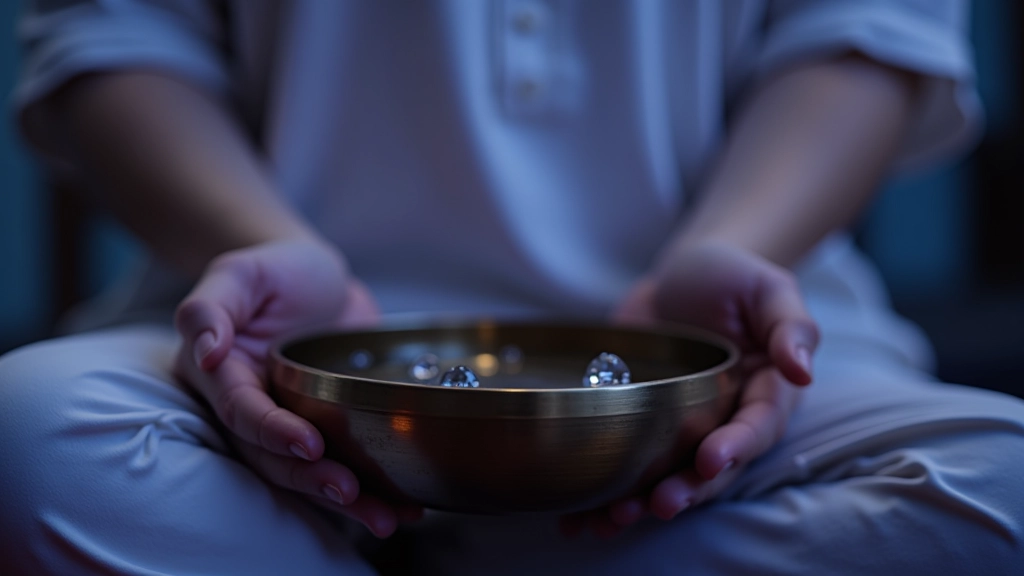
How Sound Baths Work: Understanding Vibration Healing
Explore the science behind sound frequencies and how acoustic vibrations interact with your nervous system to promote healing.
What to expect before, during, and after your sound healing experience. Practical tips to get the most from your session.

Your first sound bath isn’t like anything you’ve experienced before. You’re not sitting in silence — you’re surrounded by resonating frequencies from Tibetan bowls, crystal instruments, and gongs. The vibrations move through your body, and if you’re new to this, it can feel pretty intense at first.
Here’s the thing: you don’t need any special skills or experience. You just show up and listen. Your body knows what to do with the sound. Most people feel deeply relaxed, some drift into a meditative state, and a few experience emotional release. All of that is normal and welcome.

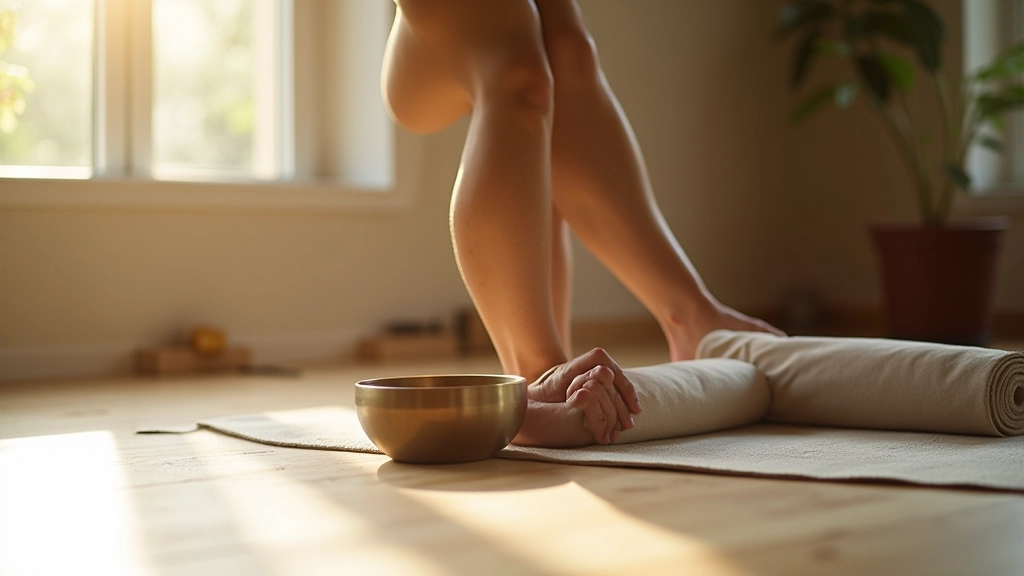
Start preparing 2-3 days before you come in. Seriously. It’s not complicated — we’re just talking about getting your mind and body ready to receive the benefits. Avoid heavy meals for at least 2 hours before your session. You’ll be lying down, and you want your digestion working slowly, not loudly.
Wear loose, comfortable clothing. Nothing tight or restrictive. You’ll be lying on your back for 45-60 minutes, so think yoga clothes or loose sweats. Remove jewelry if you can — especially metal pieces that might vibrate against your skin. Some people find that distracting.
Acoustic meditation is educational and experiential in nature. It’s not a medical treatment and shouldn’t replace professional healthcare. If you have serious health conditions, especially heart conditions, recent surgery, or pregnancy, check with your doctor before attending. Sound healing works best as part of a holistic wellness approach.
You’ll walk in and see cushions, blankets, and mats arranged across the floor. Everyone gets their own space — you’re not cramped up next to strangers. The facilitator (usually someone with years of training) will guide you through a brief settling process. They’ll explain what instruments they’re using and invite you to set an intention if that resonates with you.
Then the sound begins. The first gong strike can be surprising — it’s loud and all-encompassing. Your entire body vibrates. That’s exactly what you want. As the session progresses, different instruments come in: Tibetan bowls, crystal bowls, tuning forks. Each frequency has a different effect. Some feel grounding, others feel energizing or deeply calming.
Your job is simple: lie there and let it happen. You might feel tingling, warmth, heaviness, or lightness. You might see colors behind your closed eyes or drift into a semi-conscious state. Some people fall asleep, and that’s completely fine. The vibrations are working whether you’re conscious or not.
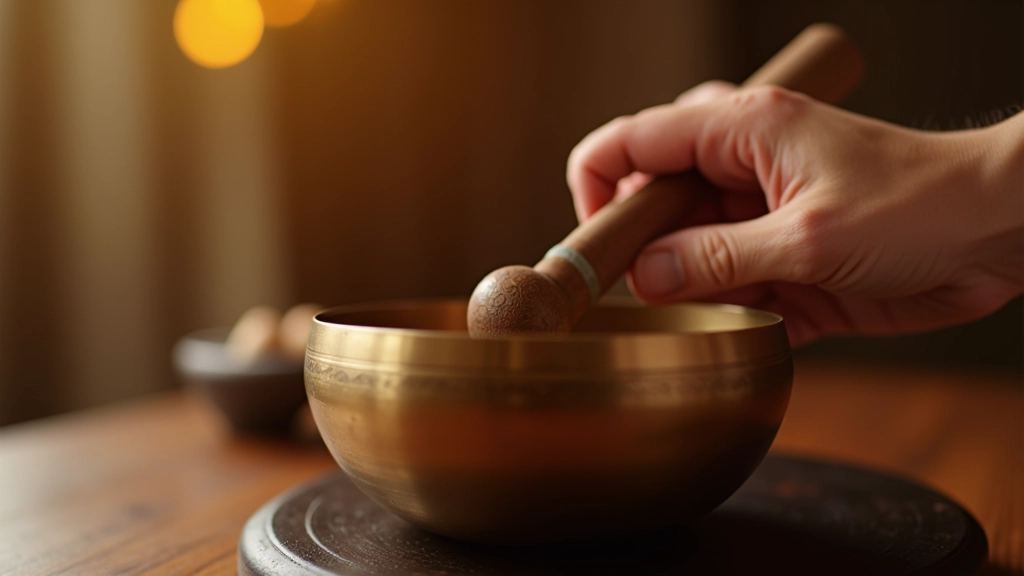

The session doesn’t end when the sound stops. The next 30 minutes are crucial. Your nervous system is in a deeply relaxed state — don’t jolt it awake with your phone or rushing out the door. Most facilitators give you time to slowly come back to normal consciousness. You’ll be gently brought back with lighter sounds or guided breathing.
Don’t expect to jump up and be immediately functional. You’ll probably feel spacey, calm, or even emotional. That’s integration happening. Drink plenty of water in the next few hours — the vibrations stimulate lymphatic flow, and hydration supports that process. Some people feel the deepest benefits 24-48 hours later as their body continues processing the experience.
If emotions come up during or after your session, that’s not a problem. Sound work can release stored tension, and sometimes that comes with feelings. It’s actually healing. Just let it happen. If you’re overwhelmed, the facilitator is trained to support you.
Things that actually make a difference in your experience.
You might not have a “spiritual experience” on day one. Some people do. Most just feel really, really relaxed. That’s the win. It’s like your nervous system finally gets permission to chill out.
Write down what you experienced right after. Not to analyze it, just to remember. Insights from sound baths often fade quickly unless you capture them immediately.
Good facilitators want to know about any concerns. Health issues, anxiety, noise sensitivity — mention it beforehand. They’ll adjust the experience to suit you.
Don’t schedule intense activities right after. Give yourself at least a few hours of calm. Your nervous system is recalibrating, and it needs peace to do that properly.
Acoustic meditation isn’t mysterious or complicated. It’s just sound, vibration, and your body’s natural ability to relax and heal. First sessions are usually the most transformative because everything is new. Your nervous system responds to that novelty by dropping into a deeper state of calm than usual.
Come prepared, come curious, and come ready to let go. That’s all you need. The bowls and gongs will handle the rest. Many people find that one session opens the door to ongoing practice — weekly sessions, monthly retreats, or regular sound baths become part of their wellness routine. You’re not just spending an hour in a meditation room; you’re investing in your nervous system’s ability to find peace in a chaotic world.