How Sound Baths Work: Understanding Vibration Healing
Explore the science behind sound frequencies and how acoustic vibrations interact with your body’s natural rhythms. Learn what actually happens during a session and why practitioners swear by this ancient healing practice.

What Happens When Sound Meets Your Body
Sound baths aren’t mystical or vague. They’re rooted in how vibrations physically interact with the human body. When you sit in a sound bath, you’re not just hearing frequencies — you’re experiencing them throughout your entire physical structure.
Your body is roughly 60-70% water. Sound travels through water four times faster than through air. This means the acoustic vibrations from singing bowls, gongs, or tuning forks propagate through your tissues, creating a cascading effect that reaches cells deep inside your body. It’s not metaphorical. It’s physics.
The Core Principle
Vibrational frequencies stimulate cellular resonance, which can influence nervous system states and promote physiological relaxation.
Frequency Ranges and Their Effects
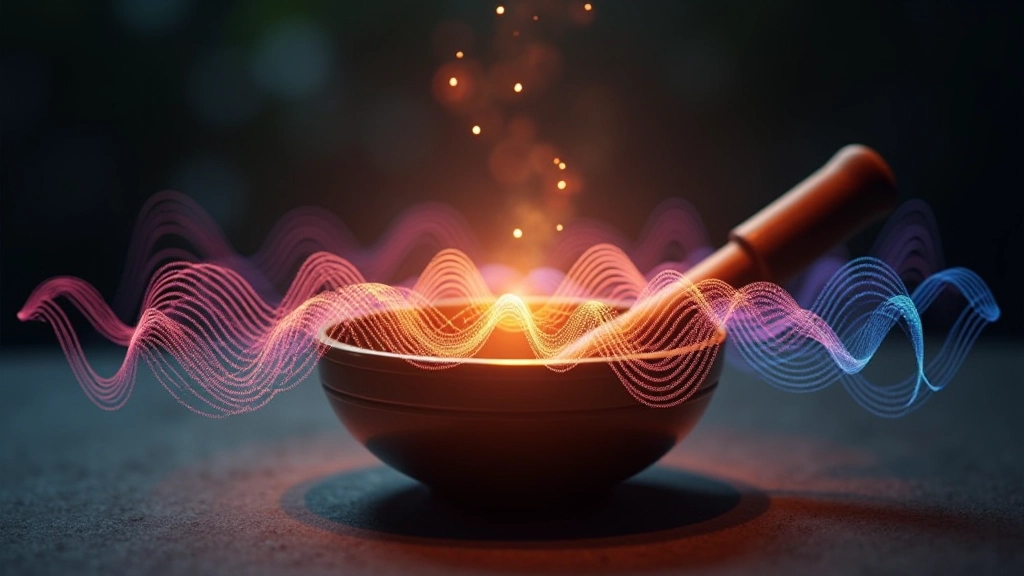
Different frequencies produce different physiological responses. A 40 Hz frequency stimulates gamma waves in your brain, associated with heightened awareness and cognitive function. Lower frequencies — around 8-14 Hz (alpha waves) — encourage a relaxed but alert state. This is where most people drift into during a sound bath.
The 528 Hz frequency, often called the “love frequency,” appears frequently in sound healing circles. Research suggests it may reduce cortisol levels and promote cellular repair. Whether that’s placebo or genuine resonance, participants consistently report feeling calmer after exposure.
Auditory signal reaches your ear
Vibrations travel through water-rich tissues
Nervous system responds to frequency patterns
Brainwave state shifts toward relaxation
Educational Information
This article provides educational information about sound healing practices and vibrational frequencies. It’s not medical advice, and sound baths aren’t a substitute for professional healthcare. If you’re managing a health condition, talk with your doctor before starting any new wellness practice. Individual experiences with sound healing vary — what works for one person might feel different for another.
How Your Nervous System Responds
Your parasympathetic nervous system controls the “rest and digest” functions. Most of us spend our days in sympathetic (fight-or-flight) activation. Sound baths help flip that switch.
When you’re immersed in sustained, repetitive acoustic frequencies, your heart rate slows. Your breathing deepens naturally — you’re not forcing it. Muscle tension releases because your body perceives safety. This isn’t happening in your mind. It’s measurable: lower blood pressure, reduced cortisol, decreased heart rate variability. These are biological facts.
Some practitioners describe feeling “cellular resonance” — a subtle vibration throughout their entire body. That’s the sound waves traveling through your tissues. Your cells don’t have ears, but they do respond to vibration. That’s what’s happening during those deep sessions.
What to Expect During Your First Session
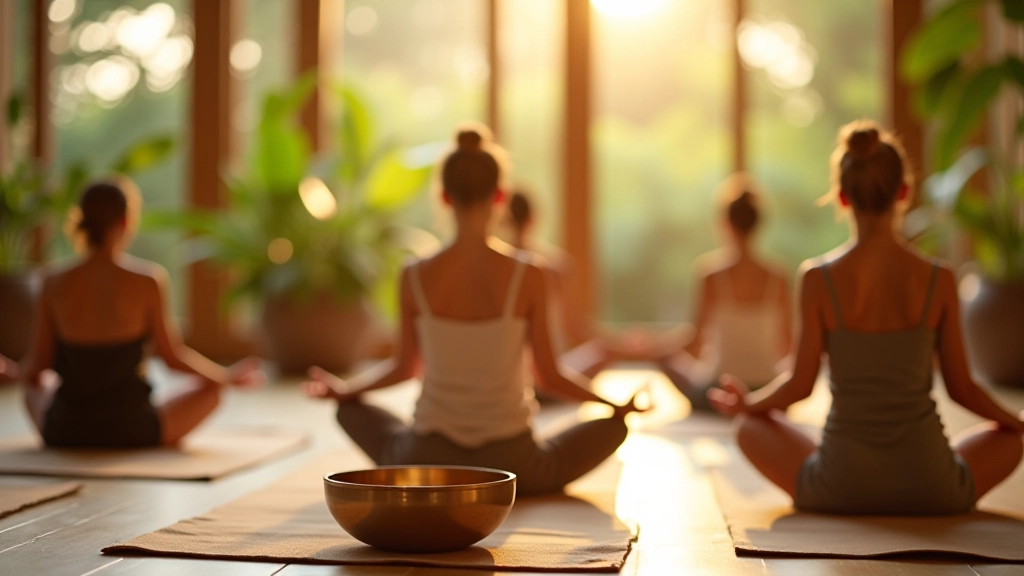
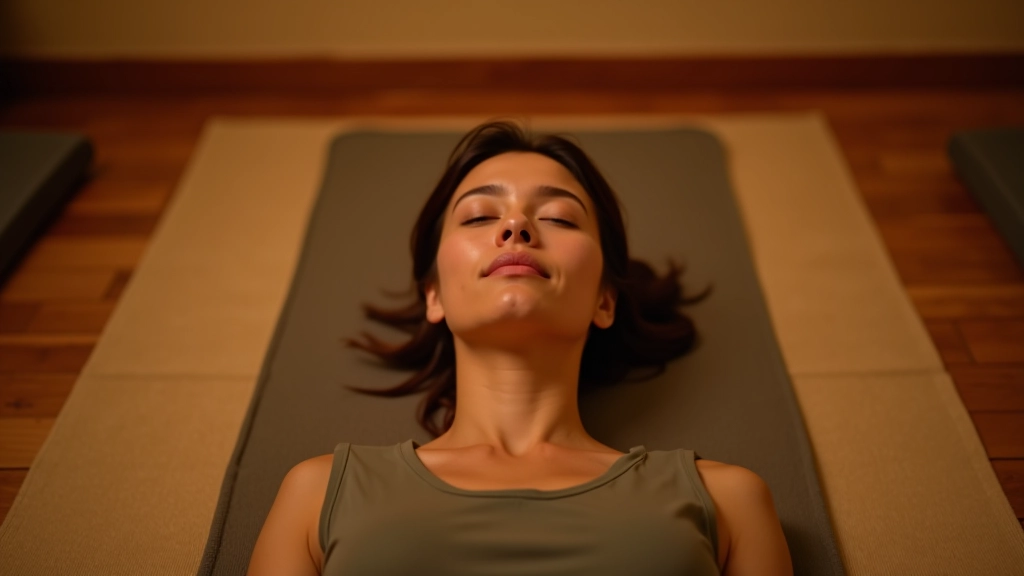
You’ll typically lie down on a mat or cushion. The practitioner will start with a grounding exercise — something simple to settle your attention. Then the sound begins.
The first thing you’ll notice is the sheer volume. Sound baths use resonant instruments — bowls, gongs, chimes — that fill entire rooms with vibration. It’s immersive. You’re not listening to music; you’re sitting inside a field of sound. Don’t be startled by that intensity. It’s intentional.
As the session continues, your mind usually settles into a rhythm. You might drift between wakefulness and drowsiness. Some people experience vivid mental imagery. Others just feel a sense of calm they can’t quite describe. All of these are normal responses. There’s no “right way” to experience it.
The Research Behind the Practice
Sound healing isn’t new. It’s been part of various cultures for thousands of years — Tibetan monks, indigenous shamans, Ayurvedic practitioners. What’s new is measuring it scientifically.
Studies show that participants in sound baths experience measurable reductions in anxiety and improvements in sleep quality. Heart rate variability — a marker of nervous system balance — shifts toward parasympathetic dominance. Brain imaging shows increased activity in regions associated with relaxation and decreased activity in areas linked to stress processing.
That said, we’re still in early stages of understanding the mechanisms. Is it the frequency itself? The ritual of setting aside time for healing? The expectation that you’ll feel better? Probably all of these factors play a role. And that’s fine. Healing rarely happens through one single mechanism.
Sound Healing Is Worth Experiencing
Sound baths work because vibration is a fundamental language your body understands. You don’t need to believe in anything mystical. The physics is straightforward: acoustic frequencies interact with your tissues, influence your nervous system, and create conditions for relaxation and healing.
Whether you’re seeking stress relief, better sleep, or simply a novel way to spend an hour in stillness, sound baths offer a genuine experience. You’ll feel the vibrations. Your nervous system will respond. What you do with that response is entirely up to you.
Explore More on Sound Healing